
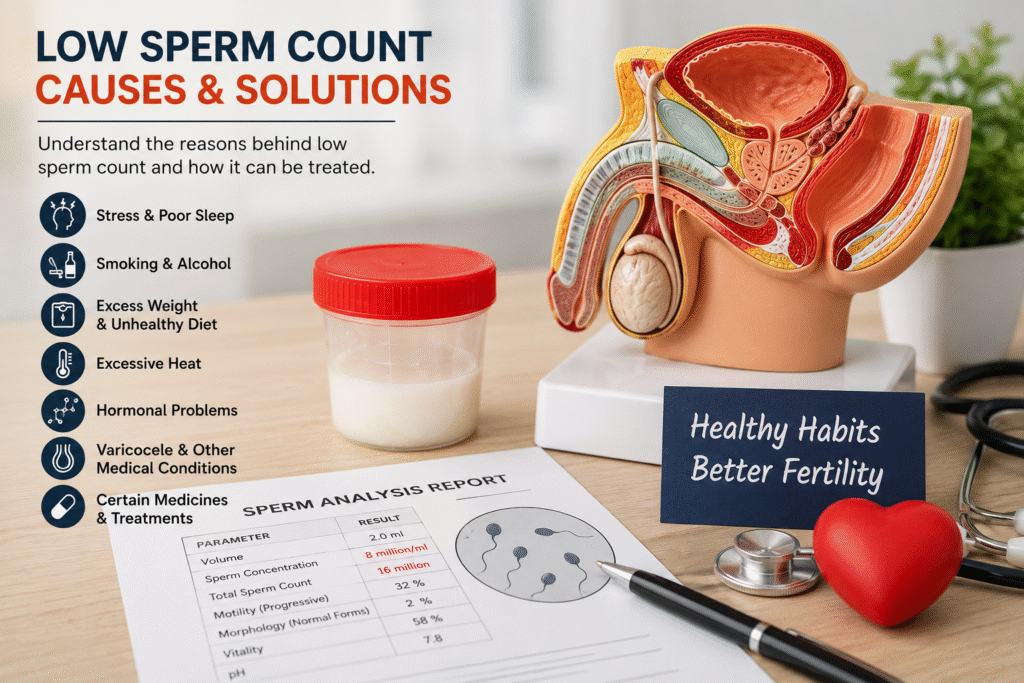
Low sperm count is a common concern among men, especially when couples are trying to conceive. It does not always mean that pregnancy is impossible, but it can reduce the chances of natural conception. Understanding the possible reasons behind a low sperm count is the first step toward finding the right solution. A qualified sexologist in Rohtak can help identify the underlying cause through proper evaluation and guidance.
What Does Low Sperm Count Mean?
Low sperm count, medically known as oligozoospermia, means that the semen contains fewer sperm than the level considered normal for male fertility. Sperm are produced in the testicles and are released with semen during ejaculation. For natural conception to occur, healthy sperm need to travel through the female reproductive tract and reach the egg. When the number of sperm is lower, the chances of successful fertilization may decrease.
A low sperm count does not automatically mean infertility. Even when the sperm concentration is below the normal range, pregnancy can still occur naturally in some couples. Fertility depends on several factors, including sperm movement, sperm shape, overall sperm health, the female partner’s reproductive health, and how often intercourse occurs during the fertile period.
How Is Sperm Count Measured?
A semen analysis is generally used to evaluate sperm health. The test can provide information about sperm concentration, total sperm number, movement, and morphology. Since sperm production can vary over time, doctors may recommend repeating the test before making a final assessment.
If you receive an abnormal semen report, it is better to discuss the results with a qualified sexologist in Rohtak rather than becoming anxious based on a single number. The complete semen analysis provides a more useful picture than sperm count alone.
What Can Cause a Low Sperm Count?
Several factors can contribute to reduced sperm production. These may include smoking, excessive alcohol consumption, obesity, prolonged stress, poor sleep, nutritional deficiencies, excessive heat exposure, certain infections, hormonal imbalances, and some medical conditions.
Problems such as varicocele, previous injury to the testicles, genetic conditions, or certain treatments may also affect sperm production. In some men, the exact reason may not be immediately obvious and additional tests may be needed.
Does Low Sperm Count Affect Pregnancy?
The effect of a low sperm count depends on how significantly the count is reduced and whether other sperm parameters are normal. For example, sperm with good movement and healthy shape may have a better chance of reaching the egg despite a lower overall number.
If conception has been difficult, a sexologist in Rohtak can evaluate both the semen report and relevant medical history. Depending on the findings, the doctor may suggest lifestyle changes, medicines, further investigations, or fertility treatment when required.
Can Sperm Count Improve?
In some cases, sperm count can improve after addressing the underlying problem. Maintaining a healthy body weight, eating a balanced diet, exercising regularly, sleeping adequately, avoiding tobacco, limiting alcohol, and managing stress may support reproductive health.
Medical treatment may be necessary when low sperm count is linked to a hormonal disorder, infection, varicocele, or another identifiable condition. Getting personalized advice from a sexologist in Rohtak can help you understand which approach is appropriate for your situation instead of trying unproven fertility remedies.
1. Stress and Poor Sleep
Stress and inadequate sleep may seem unrelated to fertility, but both can influence the hormones and biological processes involved in sperm production. The body needs a stable hormonal environment to produce sperm properly. When stress becomes persistent or sleep remains disturbed for a long period, this balance may be affected.
How Can Stress Affect Sperm Production?
When you experience ongoing stress, your body releases hormones such as cortisol and adrenaline. These hormones help the body respond to stressful situations, but consistently elevated stress levels may interfere with reproductive hormone activity.
This can potentially affect testosterone and other hormones involved in sperm development. In some men, prolonged psychological stress may also be associated with reduced sperm concentration, poorer sperm movement, or changes in sperm quality.
Stress can also influence fertility indirectly. A person under constant pressure may exercise less, eat poorly, smoke, consume more alcohol, or experience reduced sexual desire. These lifestyle changes can create additional factors that may affect reproductive health.
If you have been dealing with persistent stress along with fertility concerns, speaking with a sexologist in Rohtak can help determine whether stress or another underlying factor may be contributing to the problem.
Why Is Good Sleep Important for Male Fertility?
Sleep is an important period when the body repairs tissues, regulates hormones, and restores energy. Regularly getting too little sleep may interfere with normal hormonal function, including the hormones associated with testosterone production and reproductive health.
Irregular sleeping patterns, frequently staying awake late at night, or poor-quality sleep may therefore have an impact on overall sperm health. Sleep problems can also increase tiredness and stress, creating a cycle that may negatively influence healthy daily habits.
For better reproductive wellness, aim for a consistent sleep routine and allow your body enough time to recover each night. Reducing screen exposure before bedtime, limiting caffeine late in the day, and keeping a regular sleeping schedule may help improve sleep quality.
What Can You Do to Reduce the Impact?
Managing stress does not mean eliminating every stressful situation. Instead, focus on healthier ways of handling daily pressure. Regular physical activity, meditation, deep-breathing exercises, hobbies, spending time with loved ones, and taking adequate breaks can help support emotional well-being.
It is also useful to maintain a balanced diet and avoid habits such as smoking and excessive alcohol consumption. These changes may benefit both general health and reproductive function.
If stress, poor sleep, or fertility problems continue despite lifestyle improvements, a sexologist in Rohtak can assess your symptoms and recommend appropriate tests or treatment. Avoid assuming that stress is the only reason for a low sperm count because several medical conditions can produce similar fertility concerns.
When Should You Seek Professional Help?
Consider consulting a sexologist in Rohtak if you have been trying to conceive without success, have received an abnormal semen analysis, or are experiencing persistent problems with sleep, stress, sexual health, or reproductive function.
A professional evaluation can help identify whether lifestyle factors are involved or whether additional medical investigation is needed. With the right guidance, many contributing factors can be managed more effectively, giving you a clearer path toward improving your reproductive health.
2. Smoking, Alcohol and Other Habits
Daily habits can have a significant influence on male reproductive health. Smoking, excessive alcohol consumption, and the use of certain recreational substances may interfere with sperm production, sperm movement, and overall semen quality. These effects can become more important when such habits continue for a long period.
How Does Smoking Affect Sperm Health?
Cigarettes contain nicotine and numerous other chemicals that can affect different parts of the body. Smoking may increase oxidative stress, which can damage sperm cells and their genetic material. It may also affect blood circulation and the environment needed for healthy sperm development.
Men who smoke regularly may experience changes in sperm concentration, movement, or structure. Smoking can also affect the health of the reproductive organs, making it an important lifestyle factor to consider when investigating fertility problems.
If you smoke and are concerned about your fertility, consulting a sexologist in Rohtak can help you understand how your habits may be affecting your reproductive health and what changes could be beneficial.
Can Alcohol Lower Sperm Count?
Occasional alcohol consumption does not affect every man in the same way, but heavy or frequent drinking can interfere with male reproductive function. Excessive alcohol may affect testosterone levels and other hormones responsible for sperm production.
Long-term heavy drinking may also contribute to problems such as liver dysfunction and nutritional deficiencies, which can indirectly influence hormonal balance and fertility. Reducing alcohol intake can therefore be an important step for men who are trying to improve their reproductive health.
What About Recreational Drugs?
Certain recreational drugs can interfere with the normal functioning of the reproductive system. Some substances may affect hormone production, sexual function, or the process through which sperm are produced.
Testosterone or anabolic steroid use deserves particular attention. Although these substances may increase muscle size, taking testosterone from outside the body can suppress the natural hormonal signals that stimulate the testicles to produce sperm. This may lead to a substantial reduction in sperm production in some men.
A sexologist in Rohtak can review your medication and substance-use history and help determine whether these factors could be contributing to fertility difficulties.
Other Lifestyle Habits That May Matter
Smoking and alcohol are not the only habits worth considering. A sedentary lifestyle, poor nutrition, irregular sleep, chronic stress, and lack of physical activity may also influence overall reproductive wellness.
Frequent consumption of highly processed foods may leave the body with fewer essential nutrients required for normal cellular function. On the other hand, regular exercise and a balanced diet can support healthy weight, metabolism, circulation, and hormonal function.
Making gradual, sustainable changes is often more practical than trying to change everything overnight. Quitting tobacco, limiting alcohol, staying physically active, and choosing nutritious foods can create a healthier environment for sperm production.
Can Stopping These Habits Improve Fertility?
Sperm production is an ongoing process, so positive lifestyle changes may take time to show an effect. Improvements are not guaranteed because fertility can also be influenced by medical, hormonal, genetic, or structural conditions.
If you are experiencing a low sperm count or difficulty conceiving, a sexologist in Rohtak can recommend a semen analysis and other investigations when appropriate. This helps identify whether lifestyle habits are the main concern or whether another condition requires attention.
Getting professional advice is especially useful before taking fertility supplements or medicines on your own. A sexologist in Rohtak can provide guidance based on your individual health, test results, and fertility goals rather than relying on generalized remedies.
3. Excess Weight and Unhealthy Diet
Your weight and everyday food choices can influence more than your general health—they may also affect male reproductive function. Excess body fat and a diet lacking essential nutrients can interfere with hormonal balance, metabolism, and the processes involved in producing healthy sperm.
How Can Excess Weight Affect Sperm Count?
Being overweight or obese may affect the balance of reproductive hormones in the body. Excess body fat can influence testosterone levels and increase the conversion of testosterone into estrogen. When these hormones become imbalanced, the signals responsible for normal sperm production may be affected.
Higher body weight may also increase the temperature around the testicles. Since sperm production works best at a temperature slightly below normal body temperature, prolonged heat around the testicles may create an unfavorable environment for sperm development.
If you are overweight and experiencing fertility concerns, a sexologist in Rohtak can assess your symptoms along with other possible causes instead of assuming that weight is the only reason for reduced sperm production.
How Does an Unhealthy Diet Influence Male Fertility?
Sperm cells require several nutrients to develop and function properly. A diet dominated by processed foods, excessive sugar, unhealthy fats, and refined carbohydrates may provide fewer nutrients needed for reproductive health.
On the other hand, foods containing antioxidants, vitamins, minerals, protein, and healthy fats can support the body’s normal cellular functions. Nutrients such as zinc, selenium, folate, vitamin C, and vitamin E are commonly associated with healthy reproductive function.
This does not mean that one particular food can dramatically increase sperm count. Overall dietary quality and consistency are more important than relying on a single “fertility food.”
Which Foods Can Support Better Sperm Health?
A balanced diet can include plenty of vegetables and fruits, whole grains, pulses, eggs, fish or other lean protein sources, nuts, seeds, and healthy sources of fats. Adequate water intake is also important for maintaining normal body functions.
Instead of following extreme diets, focus on meals that provide a variety of nutrients. Limiting highly processed snacks, sugary drinks, deep-fried foods, and excessive fast food can also help improve overall dietary quality.
If you are unsure whether your current diet is suitable for your fertility goals, a sexologist in Rohtak can discuss your lifestyle and recommend whether nutritional or medical evaluation may be appropriate.
Can Losing Weight Improve Sperm Health?
For men who are overweight or obese, gradual and sustainable weight reduction may support better hormonal and metabolic health. Regular physical activity can complement dietary changes by improving fitness, circulation, and weight management.
However, losing weight should not be viewed as a guaranteed treatment for low sperm count. Some men may have additional factors such as hormonal disorders, varicocele, infections, or genetic conditions that require specific medical care.
When Should You Consider Professional Evaluation?
If you have been trying to conceive for some time or have already received an abnormal semen analysis, it is useful to investigate the situation rather than making assumptions based only on weight or diet.
A sexologist in Rohtak can review your medical history, lifestyle, physical health, and semen analysis to identify factors that may be affecting fertility. Based on the findings, the next steps can be planned according to your individual needs.
Improving nutrition and maintaining a healthy weight are valuable for overall well-being, but professional evaluation can help ensure that an underlying fertility problem is not overlooked.
4. Excessive Heat Around the Testicles
The testicles are located outside the main body cavity for an important reason: sperm production works best at a temperature slightly lower than core body temperature. When the testicles are exposed to excessive heat frequently or for prolonged periods, it may interfere with the normal development of sperm in some men.
This does not mean that every episode of heat exposure will cause a low sperm count. The possible effect depends on the intensity, duration, and frequency of exposure, as well as the individual’s overall reproductive health.
How Does Heat Affect Sperm Production?
Sperm development is a continuous process that takes several weeks. During this period, developing sperm cells can be sensitive to changes in their surrounding environment. Excessive heat may temporarily interfere with this process and can potentially affect sperm concentration, movement, or quality.
The effect may not be noticeable immediately because changes in sperm production take time to appear in a semen analysis. This is one reason why repeated heat exposure may be worth discussing when investigating unexplained fertility problems.
If you have concerns about heat exposure and fertility, a sexologist in Rohtak can review your daily routine and determine whether other factors should also be investigated.
Common Sources of Excessive Heat
Several everyday situations can increase heat around the testicles. Frequent use of hot tubs and very hot baths, spending extended periods in saunas, or working in environments with high temperatures may contribute to repeated heat exposure.
Long periods of sitting may also increase warmth around the groin, particularly when combined with tight clothing and a hot environment. Men who work near furnaces, boilers, or other high-temperature equipment may have greater occupational exposure.
It is important to remember that these factors are not automatically responsible for infertility. A sexologist in Rohtak can help distinguish between a possible lifestyle contributor and a condition that requires medical investigation.
Can Tight Clothing Affect Sperm Health?
Tight clothing may reduce airflow around the groin and potentially increase local warmth. While clothing alone is unlikely to explain a significant fertility problem, men concerned about sperm health may prefer comfortable, breathable underwear and avoid unnecessarily restrictive clothing.
Simple measures such as taking breaks from prolonged sitting and keeping the groin area comfortably cool can also be sensible additions to a healthy lifestyle.
What Can You Do to Reduce Heat Exposure?
You do not need to completely avoid normal daily activities. Instead, focus on reducing frequent and prolonged exposure to excessive heat. Avoid spending unnecessarily long periods in very hot water, take suitable breaks when working in high-temperature environments, and choose comfortable clothing.
If your occupation involves considerable heat, discuss practical protective measures with your workplace or healthcare professional. These steps can reduce unnecessary exposure without disrupting your routine.
A sexologist in Rohtak can also help you understand whether heat exposure is relevant to your particular fertility concerns or whether another cause may be involved.
When Should You Get Your Sperm Count Checked?
If you have difficulty conceiving, a semen analysis can provide information about sperm concentration and other important parameters. An abnormal result does not necessarily mean that permanent infertility has occurred, and further assessment may be needed to understand the reason.
If repeated heat exposure is part of your lifestyle and you are concerned about its effect, consulting a sexologist in Rohtak can be a useful step. The doctor may consider your medical history, lifestyle, physical examination, and test results before suggesting appropriate management.
Remember that fertility is influenced by multiple factors. Managing avoidable heat exposure can be helpful, but it should not replace a complete evaluation when sperm count or conception remains a concern.
5. Hormonal Problems
Hormones play a major role in male reproductive health. Sperm production is controlled by a complex communication system involving the brain, pituitary gland, and testicles. When this system does not function properly, the body may produce fewer sperm or have difficulty maintaining normal sperm development.
Hormonal problems do not always cause obvious symptoms. Some men may only discover an issue after having difficulty conceiving or receiving an abnormal semen analysis.
How Do Hormones Control Sperm Production?
The process begins in the brain, where the hypothalamus releases signals that influence the pituitary gland. The pituitary then produces hormones such as follicle-stimulating hormone (FSH) and luteinizing hormone (LH).
These hormones communicate with the testicles. LH supports testosterone production, while FSH is important for the development of sperm cells. Testosterone, along with other reproductive hormones, helps maintain the environment required for normal sperm formation.
When any part of this hormonal pathway is disrupted, sperm production may be affected. A sexologist in Rohtak can evaluate symptoms and recommend appropriate hormone testing when there is a reason to suspect an endocrine problem.
What Hormonal Conditions Can Affect Sperm Count?
Several conditions may interfere with reproductive hormones. Problems involving the pituitary gland or hypothalamus can reduce the signals needed to stimulate the testicles. In some men, low testosterone may also be associated with reduced sperm production.
Thyroid disorders and other endocrine conditions can sometimes influence reproductive function as well. The exact effect varies from person to person, so identifying the specific hormonal abnormality is important before deciding on treatment.
A sexologist in Rohtak may consider blood tests for hormones such as testosterone, FSH, LH, prolactin, or thyroid-related markers depending on your symptoms and medical history.
Can Testosterone Treatment Lower Sperm Count?
This is an important point that many men are unaware of. Taking testosterone replacement therapy or anabolic steroids can suppress the natural hormonal signals that stimulate sperm production.
Although external testosterone may increase testosterone levels in the bloodstream, it can reduce the body’s own reproductive signals. As a result, the testicles may receive less stimulation to produce sperm, and sperm production can decrease significantly in some men.
Therefore, men trying to conceive should not start testosterone or hormonal medicines without medical guidance. If you are already using them, discuss your fertility goals with a sexologist in Rohtak before making any changes.
What Symptoms May Suggest a Hormonal Issue?
Possible signs can include reduced sexual desire, erectile difficulties, decreased energy, changes in muscle mass, difficulty maintaining fertility, or other symptoms related to hormonal imbalance. However, these symptoms can have many different causes and do not confirm a hormonal disorder by themselves.
Some men may have no noticeable symptoms at all. This is why laboratory testing and professional assessment can be more informative than trying to identify the problem based on symptoms alone.
How Are Hormonal Fertility Problems Treated?
Treatment depends entirely on the underlying cause. If a specific hormonal deficiency or disorder is identified, a doctor may recommend targeted treatment to restore the body’s natural reproductive hormone signals.
Treatment should be individualized because simply taking testosterone is not an appropriate solution for every man experiencing low testosterone, particularly when fertility is a current goal.
A sexologist in Rohtak can review your semen analysis and relevant hormone reports to understand the bigger picture. Depending on the findings, additional evaluation or referral to another specialist may be recommended.
Why Is Proper Diagnosis Important?
Low sperm count can result from many factors, including lifestyle habits, infections, structural problems, medications, and genetic conditions. Assuming that hormones are responsible without testing may lead to inappropriate treatment.
If you have persistent fertility concerns, consulting a sexologist in Rohtak can help determine whether hormonal testing is necessary. Finding the actual cause allows treatment to be focused on the problem rather than relying on unnecessary supplements or self-medication.
6. Varicocele and Other Medical Conditions
Low sperm count is not always related to lifestyle or diet. Certain medical conditions can directly affect the testicles, reproductive organs, hormones, or the process of sperm production. One of the commonly discussed conditions associated with male fertility is varicocele, although several other health problems can also play a role.
Understanding the underlying medical cause is important because the appropriate treatment depends on what is actually affecting sperm health.
What Is a Varicocele?
A varicocele is an enlargement of the veins within the scrotum, similar to varicose veins that can occur in the legs. It commonly develops on one side and may not cause noticeable symptoms.
In some men, a varicocele can affect the environment around the testicles and may be associated with changes in sperm production or quality. It may also cause a dull aching sensation, heaviness, or swelling, particularly after prolonged standing or physical activity.
A sexologist in Rohtak can assess symptoms and determine whether a physical examination or further investigation is appropriate when varicocele is suspected.
How Can Varicocele Affect Fertility?
The exact mechanism is not the same in every man. Enlarged veins may interfere with normal temperature regulation around the testicle and can potentially influence blood flow and the local environment needed for sperm development.
Some men with varicocele have completely normal fertility, while others may show reduced sperm concentration, movement, or overall semen quality. Therefore, having a varicocele does not automatically mean that a man will be infertile.
A sexologist in Rohtak may recommend a semen analysis and, when necessary, imaging or other tests to understand whether the condition is affecting reproductive function.
Infections and Inflammation
Certain infections involving the reproductive system can interfere with sperm production or the passage of sperm. Inflammation of structures such as the testicles or epididymis may sometimes have an impact on fertility.
Some infections may cause pain, swelling, fever, unusual discharge, or discomfort during urination, while others can occur with few noticeable symptoms. Prompt medical evaluation is important when an infection is suspected.
A sexologist in Rohtak can assess relevant symptoms and suggest appropriate testing rather than relying on symptoms alone.
Testicular Injury or Previous Surgery
Previous trauma to the testicles can sometimes affect their ability to produce sperm. Surgical procedures involving the testicles, groin, or reproductive tract may also influence fertility in certain circumstances.
The effect depends on the type of injury or surgery and whether sperm-producing tissue or the reproductive pathways were affected. Sharing your complete medical history with your doctor can help when investigating unexplained changes in sperm count.
If you have a history of testicular injury or surgery, a sexologist in Rohtak can consider this information while evaluating your fertility status.
Genetic and Other Medical Conditions
Some genetic conditions can interfere with sperm production or cause very low sperm counts. Certain disorders affecting the testicles, pituitary gland, or other parts of the endocrine system may also contribute to male infertility.
Chronic illnesses and treatments for serious medical conditions can sometimes influence reproductive function as well. The effect varies considerably, which is why a personalized assessment is preferable to assuming that one condition has the same impact on every man.
A sexologist in Rohtak may recommend additional investigations when the semen analysis shows a significantly reduced sperm count or when the medical history suggests an underlying disorder.
When Should You Seek Medical Evaluation?
If a semen analysis shows a persistently low sperm count, or if you have symptoms such as testicular discomfort, swelling, a noticeable change in the scrotum, or difficulty conceiving, professional evaluation can help identify possible causes.
A sexologist in Rohtak can review your semen report, symptoms, previous illnesses, surgeries, medications, and lifestyle before deciding whether further tests are needed.
The important point is that varicocele and other medical conditions are often manageable when identified appropriately. Avoid delaying evaluation or starting treatments on your own, because treating the actual cause is more useful than simply trying to increase sperm count without knowing why it is low.
7. Certain Medicines and Treatments
Medicines are designed to treat health problems, but some medications and medical treatments can sometimes affect male reproductive health. Their impact may involve sperm production, hormone levels, sperm movement, or the normal functioning of the reproductive system.
This does not mean that every medicine causes fertility problems. The effect depends on the specific drug, dosage, duration of use, and individual health. If you are concerned about a medication, do not stop taking it without speaking to the doctor who prescribed it.
How Can Medicines Affect Sperm Production?
Some medicines may interfere with the hormones responsible for sperm development. Others can affect the testicles directly or influence the way sperm mature and function.
Certain medications used for long-term health conditions have been associated with changes in semen parameters in some men. The effect may be temporary in some situations, while other cases may require closer medical monitoring.
A sexologist in Rohtak can review the medicines you currently take and determine whether they could be relevant to your fertility concerns.
Can Testosterone Affect Sperm Count?
Testosterone therapy deserves special attention among men who are trying to have children. When testosterone is taken from outside the body, the brain may reduce the hormonal signals that normally stimulate the testicles.
As these signals decrease, the testicles may receive less stimulation for sperm production. Consequently, sperm production can become very low in some men, even though blood testosterone levels appear normal or elevated.
For this reason, men with fertility goals should discuss testosterone treatment with a sexologist in Rohtak before starting or changing hormonal therapy.
What About Anabolic Steroids?
Anabolic steroids are sometimes used to increase muscle size and physical performance. These substances can interfere with the body’s natural reproductive hormone system.
Regular use may suppress sperm production and, in some cases, lead to a very low sperm count or even an absence of sperm in the semen. The recovery period after stopping these substances can vary between individuals.
If you use anabolic steroids and are experiencing fertility problems, a sexologist in Rohtak can help assess your reproductive health and determine whether further testing is needed.
Can Cancer Treatment Affect Male Fertility?
Some cancer treatments can have a significant impact on sperm production. Chemotherapy and radiation therapy, depending on the treatment type and the area involved, may damage sperm-producing cells.
The effect can be temporary or long-lasting. For men who expect to undergo cancer treatment and wish to have children in the future, fertility preservation options such as sperm banking may be discussed before treatment begins.
A sexologist in Rohtak can provide fertility-related guidance and coordinate appropriate evaluation when reproductive health is a concern before or after major medical treatment.
Other Treatments That May Influence Fertility
Certain procedures involving the reproductive organs, as well as some hormone-related treatments, may affect sperm production or the movement of sperm through the reproductive tract. The risk is not identical for every patient.
Your doctor may consider your medical history, current treatment plan, and fertility goals before determining whether a particular therapy could be contributing to a low sperm count.
If you have noticed fertility difficulties after starting a new medicine or undergoing treatment, a sexologist in Rohtak can help you discuss the possible connection and decide whether further evaluation is appropriate.
Should You Stop Your Medicine?
Never discontinue prescribed medication simply because you are concerned about sperm count. Suddenly stopping treatment can worsen the condition for which the medicine was prescribed.
Instead, inform your doctor about your plans to conceive and ask whether there are suitable alternatives or adjustments. In some situations, fertility may improve after an underlying medication-related factor is addressed, but this should always be managed medically.
A sexologist in Rohtak can help you understand your semen analysis alongside your medication history and identify the next appropriate step.
When Is Professional Advice Important?
Consider seeking medical guidance if you have a low sperm count, difficulty conceiving, or are taking long-term medicines that may potentially affect reproductive function. A complete evaluation can help separate medication-related factors from other possible causes.
Rather than relying on fertility supplements or stopping treatment independently, discuss your concerns with a qualified sexologist in Rohtak. Proper assessment can help protect both your overall health and your fertility goals.
Can Low Sperm Count Be Improved?
In many cases, improvement is possible when an underlying cause is identified and treated. Changes such as maintaining a healthy weight, exercising regularly, sleeping well, avoiding tobacco, limiting alcohol, and managing stress may support better sperm health.
However, lifestyle changes alone may not be enough when an infection, hormonal problem, varicocele, or another medical condition is involved. That is why professional evaluation matters.
When Should You See a Doctor?
If you and your partner have been trying to conceive without success, or if you have concerns about your sperm health, consider getting evaluated rather than delaying care. A semen analysis is commonly used to assess sperm count and other important parameters.
An experienced sexologist in Rohtak can help understand the test results, identify possible contributing factors, and guide you toward suitable treatment options. Early evaluation can make it easier to address the problem and plan the next steps.
Final Thoughts
Low sperm count can have several causes, ranging from everyday lifestyle habits to medical and hormonal conditions. The good news is that identifying the cause can open the door to appropriate treatment and better fertility management.
If you are worried about male fertility, avoid self-medication or relying on unverified remedies. Speaking with a qualified sexologist in Rohtak can provide personalized guidance based on your individual condition and fertility goals.
Frequently Asked Questions (FAQs)
1. What is considered a low sperm count?
A low sperm count means the number of sperm in semen is below the expected reference range. It may reduce the chances of natural conception, although it does not always mean infertility. A sexologist in Rohtak can evaluate your semen analysis and explain what your results mean.
2. Can stress cause low sperm count?
Long-term stress may affect reproductive hormones and can indirectly influence sperm production through poor sleep, unhealthy eating, or other lifestyle changes. A sexologist in Rohtak can help determine whether stress may be contributing to your fertility concerns.
3. Does smoking reduce sperm quality?
Smoking may increase oxidative stress and can negatively affect sperm concentration, movement, and structure in some men. If you smoke and are concerned about fertility, a sexologist in Rohtak can provide guidance on improving reproductive health.
4. Can alcohol affect male fertility?
Frequent or excessive alcohol consumption may interfere with hormones involved in sperm production and can affect overall reproductive function. A sexologist in Rohtak can assess your lifestyle along with your semen report to identify possible fertility-related factors.
5. Can being overweight lower sperm count?
Excess body weight may influence testosterone and other reproductive hormones, potentially affecting sperm production. Improving weight and overall metabolic health may be beneficial, and a sexologist in Rohtak can help assess whether weight could be related to your fertility problem.
6. Can excessive heat affect sperm production?
Frequent and prolonged exposure to excessive heat around the testicles may interfere with sperm development in some men. If you regularly experience heat exposure and have fertility concerns, a sexologist in Rohtak can help evaluate other possible causes as well.
7. Can hormonal problems cause low sperm count?
Yes, hormonal disorders involving testosterone, FSH, LH, or other reproductive hormones can interfere with sperm production. A sexologist in Rohtak may recommend appropriate hormone tests when your symptoms or semen analysis suggest a possible hormonal issue.
8. Does varicocele affect sperm count?
Varicocele is an enlargement of veins around the testicle and may be associated with reduced sperm production or quality in some men. A sexologist in Rohtak can assess the condition and determine whether further testing or treatment may be appropriate.
9. Can medicines reduce sperm count?
Some medicines and treatments may affect sperm production or reproductive hormones, although the effect varies depending on the medication and individual circumstances. A sexologist in Rohtak can review your medication history and discuss possible fertility-related effects.
10. Can low sperm count be treated?
Treatment depends on the underlying cause. Lifestyle changes, medical treatment, or management of conditions such as hormonal disorders or varicocele may be considered when appropriate. A sexologist in Rohtak can help identify the cause and suggest a suitable treatment approach.
11. Does low sperm count mean I cannot become a father?
Not necessarily. A low sperm count can reduce the probability of natural conception, but pregnancy may still be possible depending on other sperm parameters and the fertility of both partners. A sexologist in Rohtak can assess your complete fertility profile and explain your available options.
12. When should I consult a sexologist for low sperm count?
Consider professional evaluation if you have an abnormal semen analysis, persistent difficulty conceiving, or concerns about sperm health. A sexologist in Rohtak can help identify potential causes and guide you toward appropriate investigations and treatment.
🏥 Dr. Prince Juneja – Sexologist in Rohtak
📞 Call for Appointment:
+91-9812090910
💬 WhatsApp:
+91-9812090910
🕒 Consultation Hours:
Monday – Saturday: 10:00 AM – 5:00 PM
🌐 Website:
https://junejaclinic.com/