
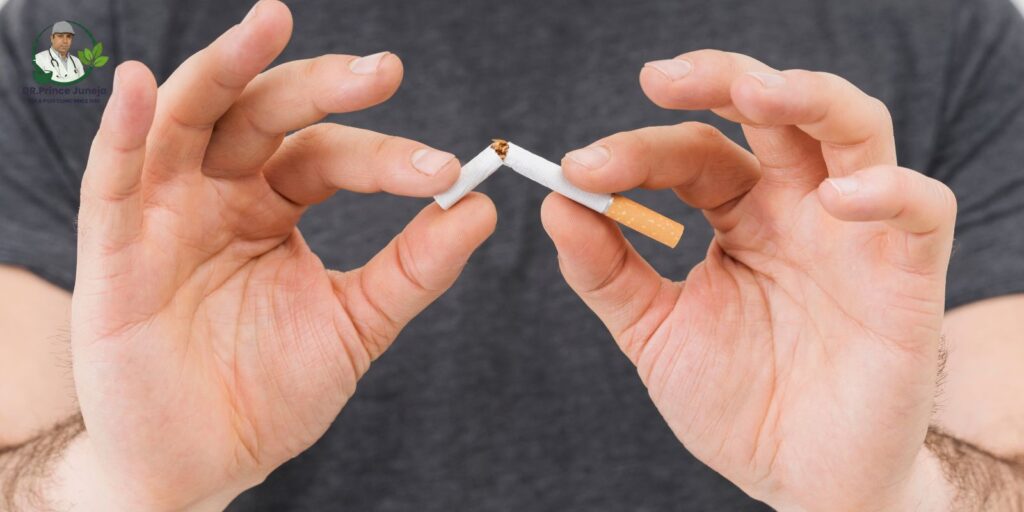
Does Smoking Reduce Sperm Count? Here’s What Every Man Needs to Know
If you and your partner have been trying to conceive without success, one question may naturally come to mind: Does smoking reduce sperm count? The answer is yes. Scientific research consistently shows that smoking can negatively affect male fertility by reducing sperm count, damaging sperm quality, decreasing sperm motility, and even affecting sperm DNA.
Many men believe smoking only harms the lungs or heart, but the reality is that tobacco can silently damage reproductive health long before noticeable symptoms appear. Even young, otherwise healthy men may experience fertility problems due to regular smoking.
If you’re searching for an experienced sexologist in rohtak, Dr. Prince Juneja helps men understand the root causes of infertility and sexual health concerns through detailed evaluation and personalized treatment plans. Rather than treating symptoms alone, Dr. Prince Juneja focuses on identifying lifestyle habits—such as smoking—that may be contributing to reduced fertility.
Why Male Fertility Matters More Than Ever
Infertility affects millions of couples worldwide, and male factors contribute to nearly half of all infertility cases. While genetics and medical conditions can play a role, lifestyle choices often have a significant impact.
Some common lifestyle habits that reduce fertility include:
- Smoking cigarettes
- Excessive alcohol consumption
- Obesity
- Lack of exercise
- Poor diet
- Chronic stress
- Inadequate sleep
- Drug use
Among these, smoking remains one of the most preventable causes of declining sperm health.
Many patients visiting a sexologist in rohtak are surprised to learn that quitting smoking can improve fertility naturally over time.
Does Smoking Really Reduce Sperm Count?
Yes.
Smoking introduces thousands of harmful chemicals into the body. These toxins enter the bloodstream and eventually affect the testes, where sperm are produced.
Research has shown that smokers often have:
- Lower sperm count
- Poor sperm motility
- Abnormal sperm shape
- Increased DNA damage
- Reduced fertility potential
This means smoking doesn’t just reduce the number of sperm—it can also reduce the chances of healthy fertilization.
Dr. Prince Juneja explains that sperm quality is just as important as sperm quantity. Even if sperm count appears normal, damaged sperm may struggle to fertilize an egg successfully.
How Sperm Are Produced
To understand why smoking is harmful, it’s important to know how sperm develop.
Sperm production occurs inside the testes through a process called spermatogenesis.
Healthy sperm production depends on:
- Balanced hormones
- Good blood circulation
- Proper nutrition
- Normal testosterone levels
- Healthy testicular tissue
- Low oxidative stress
Smoking interferes with nearly every one of these essential factors.
This is one reason why many couples consult a trusted sexologist in rohtak when fertility problems persist despite regular attempts to conceive.
Harmful Chemicals Found in Cigarettes
A single cigarette contains over 7,000 chemicals.
Some of the most damaging include:
- Nicotine
- Carbon monoxide
- Cadmium
- Lead
- Benzene
- Formaldehyde
- Hydrogen cyanide
- Tar
These substances travel throughout the body and create oxidative stress, which damages healthy cells—including sperm cells.
Dr. Prince Juneja often educates patients that reproductive organs are highly sensitive to toxins, making smoking especially harmful for fertility.
How Smoking Damages Sperm
Smoking affects sperm in multiple ways rather than causing just one problem.
1. Reduced Sperm Count
Smoking decreases the total number of sperm produced.
Lower sperm count means fewer opportunities for successful fertilization.
2. Poor Sperm Motility
Healthy sperm must swim efficiently to reach the egg.
Smoking weakens their movement, making conception more difficult.
3. Abnormal Sperm Shape
Many smokers produce sperm with structural abnormalities.
Poor morphology reduces the likelihood of successful fertilization.
4. DNA Damage
Smoking increases oxidative stress, which damages sperm DNA.
This may contribute to:
- Failed fertilization
- Recurrent miscarriages
- Poor embryo development
- Reduced IVF success
5. Hormonal Imbalance
Smoking may interfere with testosterone production and reproductive hormones.
Hormonal disturbances can reduce sperm production over time.
Can Occasional Smoking Also Affect Fertility?
Many people believe that only heavy smokers experience fertility problems.
Unfortunately, this isn’t always true.
Even light or social smoking may:
- Increase oxidative stress
- Reduce sperm quality
- Affect DNA integrity
- Lower fertility potential
The risk generally increases with:
- Number of cigarettes smoked
- Years of smoking
- Combined alcohol use
- Poor lifestyle habits
Dr. Prince Juneja recommends quitting completely rather than simply reducing cigarette consumption.
Warning Signs That Smoking May Be Affecting Fertility
Smoking-related fertility issues often develop silently.
Some men experience no obvious symptoms until they undergo fertility testing.
Possible warning signs include:
- Difficulty conceiving
- Low sperm count
- Reduced semen volume
- Poor libido
- Erectile dysfunction
- Hormonal imbalance
- Fatigue
- Reduced testosterone
If these symptoms are present, consulting an experienced sexologist in rohtak can help identify the underlying cause early.
Smoking and Erectile Dysfunction
Smoking doesn’t only affect fertility.
It also damages blood vessels throughout the body.
Reduced blood flow may contribute to:
- Difficulty achieving erections
- Difficulty maintaining erections
- Reduced sexual confidence
- Poor sexual performance
Since healthy erections depend on proper circulation, smoking significantly increases the risk of erectile dysfunction.
Dr. Prince Juneja frequently evaluates both fertility and erectile health together because the two conditions are often closely connected.
Scientific Studies Show Smoking Can Reduce Sperm Count
If you are wondering “Does smoking reduce sperm count?”, medical research gives a clear answer—yes.
Several studies have found that men who smoke regularly are more likely to have:
- Lower sperm count
- Slower sperm movement (motility)
- Poor sperm shape (morphology)
- Increased sperm DNA damage
- Reduced chances of natural pregnancy
The more cigarettes a person smokes and the longer they have been smoking, the greater the risk to fertility. However, every person is different. Some men notice fertility problems sooner, while others may not realize the impact until they try to conceive.
Dr. Prince Juneja explains that fertility is influenced by many factors, including age, diet, hormones, stress, sleep, and lifestyle habits. Smoking is one of the most common lifestyle factors that can reduce male fertility.
If you are planning to become a father, visiting an experienced sexologist in rohtak for a fertility evaluation can help you understand your reproductive health before problems become more serious.
Can Smoking Cause Permanent Fertility Problems?
This is one of the most common questions patients ask Dr. Prince Juneja.
The good news is that not all smoking-related fertility damage is permanent.
Many men experience significant improvement after quitting smoking, especially if they stop before severe damage occurs. However, heavy smoking over many years may take longer to recover, and in some cases, additional medical treatment may be needed.
Early action gives your body the best chance to heal naturally.
This is why consulting a qualified sexologist in rohtak at the first sign of fertility concerns is important instead of waiting for years.
How Long Does It Take for Sperm to Improve After Quitting Smoking?
Sperm production is a continuous process.
It usually takes about 70 to 90 days for new sperm cells to develop. After quitting smoking, your body starts repairing itself, and healthier sperm may begin to appear within a few months.
Many men notice gradual improvements in:
- Sperm count
- Sperm movement
- Sperm quality
- Hormonal balance
- Overall reproductive health
Dr. Prince Juneja advises patients that consistency is important. Quitting smoking for a few days is not enough. Staying smoke-free gives your body the best chance to recover.
Can Passive Smoking Also Affect Male Fertility?
Many people think only active smokers are at risk.
However, second-hand smoke (passive smoking) can also expose the body to harmful chemicals.
Living or working around cigarette smoke regularly may contribute to:
- Increased oxidative stress
- Poor sperm quality
- Reduced fertility potential
- Hormonal imbalance
If you are trying to conceive, it is helpful for both partners to avoid cigarette smoke as much as possible.
A trusted sexologist in rohtak can guide couples on lifestyle changes that support healthy fertility.
Does Vaping or E-Cigarettes Affect Sperm Health?
Many young men switch to vaping because they believe it is safer than smoking.
However, current research suggests that vaping is not completely risk-free for reproductive health.
Some e-cigarettes contain:
- Nicotine
- Harmful chemicals
- Heavy metals
- Flavoring agents that may increase oxidative stress
These substances may still affect sperm production and quality.
Dr. Prince Juneja recommends avoiding all nicotine products when planning a pregnancy, as more research continues to emerge about their long-term effects.
Other Habits That Can Reduce Sperm Count
Smoking is only one part of the picture. Many lifestyle habits can work together to reduce fertility.
Some common factors include:
- Drinking excessive alcohol
- Obesity
- Lack of physical activity
- Poor eating habits
- Chronic stress
- Poor sleep
- Drug use
- Exposure to high temperatures
- Uncontrolled diabetes
- Hormonal disorders
An experienced sexologist in rohtak will evaluate all these factors instead of focusing on smoking alone.
Healthy Lifestyle Changes That Support Better Sperm Health
Improving fertility often starts with small daily habits.
Dr. Prince Juneja encourages patients to focus on overall health rather than looking for quick fixes.
Helpful lifestyle changes include:
Quit Smoking Completely
Stopping smoking is one of the most effective steps to improve sperm quality and protect future fertility.
Eat a Balanced Diet
Include foods rich in:
- Fresh fruits
- Green vegetables
- Whole grains
- Nuts and seeds
- Lean protein
- Healthy fats
These foods provide antioxidants that help protect sperm from damage.
Exercise Regularly
Moderate exercise supports healthy hormone levels, improves blood circulation, and helps maintain a healthy weight.
Get Enough Sleep
Aim for 7–8 hours of quality sleep each night to support testosterone production and sperm development.
Manage Stress
Long-term stress may affect hormones involved in sperm production. Relaxation techniques, regular exercise, and hobbies can help reduce stress.
When Should You Visit a Sexologist in Rohtak?
Many men delay seeking medical advice because they feel embarrassed or assume fertility problems will improve on their own.
You should consider visiting a sexologist in rohtak if:
- You have been trying to conceive for more than one year without success.
- Your semen analysis shows a low sperm count.
- You smoke regularly and want to improve fertility.
- You have erectile dysfunction or low sexual desire.
- You have pain or swelling in the testicles.
- You have concerns about testosterone levels.
- You have a history of infections or reproductive health issues.
Early diagnosis can often prevent long-term complications and improve treatment outcomes.
How Dr. Prince Juneja Helps Men Improve Fertility
Dr. Prince Juneja believes that every patient deserves a personalized treatment plan. Instead of recommending the same solution for everyone, he carefully evaluates the underlying causes of reduced fertility.
During your consultation, Dr. Prince Juneja may assess:
- Medical history
- Smoking and lifestyle habits
- Hormonal health
- Semen analysis reports
- Diet and nutrition
- Stress levels
- Existing medical conditions
Based on these findings, he creates an individualized treatment plan aimed at improving both reproductive and overall health.
If you are looking for a trusted sexologist in rohtak, Dr. Prince Juneja provides patient-focused care with clear guidance, practical lifestyle recommendations, and evidence-based treatment options to help men take positive steps toward better fertility and sexual wellness
Can Low Sperm Count Caused by Smoking Be Treated?
Yes, in many cases it can.
One of the biggest concerns men have is whether the damage caused by smoking can be reversed. The answer depends on how long you have been smoking, how much you smoke, and your overall health.
The first and most important step is to quit smoking completely. Once you stop exposing your body to harmful chemicals, sperm production may gradually improve over the next few months.
If your sperm count remains low after quitting, don’t lose hope. An experienced sexologist in rohtak like Dr. Prince Juneja can identify the underlying cause and recommend the right treatment based on your individual condition.
How Is Smoking-Related Low Sperm Count Diagnosed?
If you have been trying to conceive without success or are worried about your fertility, Dr. Prince Juneja may recommend a complete fertility evaluation.
This may include:
Semen Analysis
A semen analysis helps check:
- Sperm count
- Sperm motility (movement)
- Sperm morphology (shape)
- Semen volume
- Overall sperm health
Hormone Tests
Hormonal tests can identify problems with testosterone or other reproductive hormones that may affect sperm production.
Physical Examination
A detailed examination helps identify conditions such as varicocele, infections, or other issues affecting fertility.
Lifestyle Assessment
Dr. Prince Juneja also reviews your:
- Smoking history
- Alcohol intake
- Diet
- Exercise habits
- Sleep quality
- Stress levels
A comprehensive evaluation helps create a personalized treatment plan rather than relying on guesswork.
If you are searching for a trusted sexologist in rohtak, getting an early fertility assessment can save valuable time and improve your chances of becoming a father.
Treatment Options Recommended by Dr. Prince Juneja
Every patient is different, so treatment depends on the cause of low sperm count.
Dr. Prince Juneja may recommend one or more of the following:
Quit Smoking
This is the foundation of treatment.
Stopping smoking helps reduce further damage to sperm and gives your body an opportunity to produce healthier sperm naturally.
Improve Your Diet
Eating antioxidant-rich foods may help protect sperm from oxidative stress.
Include foods such as:
- Citrus fruits
- Berries
- Spinach
- Tomatoes
- Walnuts
- Almonds
- Pumpkin seeds
- Fish
- Eggs
A healthy diet supports both fertility and overall well-being.
Regular Exercise
Moderate physical activity helps:
- Improve blood circulation
- Maintain healthy testosterone levels
- Reduce stress
- Support healthy sperm production
Avoid excessive exercise, as overtraining may negatively affect hormone balance.
Manage Stress
Long-term stress may interfere with reproductive hormones.
Simple stress-management techniques include:
- Walking
- Yoga
- Meditation
- Deep breathing
- Spending time with family
- Getting enough sleep
Medical Treatment
If lifestyle changes alone are not enough, Dr. Prince Juneja may recommend appropriate medical treatment based on your reports and overall health. Treatment is always personalized, depending on the underlying cause of the fertility issue.
Common Myths About Smoking and Sperm Count
Many men believe myths that delay proper treatment. Let’s clear up some common misconceptions.
Myth 1: I Smoke Only Occasionally, So It Won’t Affect Fertility.
Fact: Even occasional smoking exposes your body to harmful chemicals that can affect sperm quality over time.
Myth 2: Young Men Don’t Have Fertility Problems.
Fact: Smoking can reduce sperm quality at any age. Even healthy young men may experience fertility issues.
Myth 3: If I Stop Smoking Today, My Fertility Will Recover Overnight.
Fact: Sperm production takes around 2–3 months. Improvement is gradual and depends on your overall health.
Myth 4: Low Sperm Count Means I Can Never Become a Father.
Fact: Many men with low sperm count successfully become fathers after making lifestyle changes and receiving proper medical care.
Simple Tips to Protect Your Fertility
Small daily habits can make a big difference.
Follow these healthy practices:
- Quit smoking completely.
- Avoid passive smoking whenever possible.
- Eat a balanced diet.
- Exercise regularly.
- Sleep for 7–8 hours every night.
- Maintain a healthy body weight.
- Stay hydrated.
- Limit alcohol intake.
- Avoid recreational drugs.
- Manage stress effectively.
- Schedule regular health check-ups.
If you have concerns about fertility, consult an experienced sexologist in rohtak before the problem becomes more serious.
Why Choose Dr. Prince Juneja?
When it comes to men’s reproductive and sexual health, choosing the right doctor matters.
Patients trust Dr. Prince Juneja because he focuses on understanding the complete picture rather than treating only the symptoms.
During your consultation, Dr. Prince Juneja carefully evaluates:
- Your medical history
- Lifestyle habits
- Smoking history
- Fertility reports
- Hormonal health
- Sexual health concerns
Based on these findings, he creates a personalized treatment plan that is practical, evidence-based, and easy to follow.
If you are looking for a reliable sexologist in rohtak, Dr. Prince Juneja provides confidential, patient-focused care to help men improve fertility and overall sexual wellness.
FAQs – Does Smoking Reduce Sperm Count? (High-Intent, Patient-Focused)
1. Does smoking reduce sperm count permanently?
Smoking can reduce sperm count and damage sperm quality, but in many men, fertility improves after quitting smoking. If you are concerned about low sperm count, Dr. Prince Juneja can evaluate your condition and recommend the most suitable treatment. If you’re looking for a trusted sexologist in rohtak, early consultation can improve your chances of recovery.
2. Can quitting smoking improve sperm count naturally?
Yes. Quitting smoking may improve sperm count, sperm motility, and sperm quality over the following few months. Dr. Prince Juneja advises combining smoking cessation with a healthy diet, exercise, and proper medical evaluation for the best results.
3. How long does it take for sperm count to improve after quitting smoking?
It usually takes about 2 to 3 months for new sperm to develop. Many men notice improvements during this time after quitting smoking. A consultation with Dr. Prince Juneja, an experienced sexologist in rohtak, can help monitor your progress through semen analysis and fertility assessment.
4. Can smoking cause male infertility?
Yes. Smoking can lower sperm count, reduce sperm movement, damage sperm DNA, and increase the risk of male infertility. Dr. Prince Juneja offers personalized fertility evaluations to identify the exact cause and recommend the right treatment plan.
5. Which doctor should I consult for low sperm count caused by smoking in Rohtak?
If your sperm count is low or you are facing fertility problems, consult Dr. Prince Juneja, a trusted sexologist in rohtak. He evaluates lifestyle habits, hormonal health, and semen analysis reports to create a personalized treatment plan.
6. What tests are recommended for smokers with low sperm count?
Common tests include semen analysis, hormone testing, physical examination, and a review of your lifestyle habits. Dr. Prince Juneja performs a detailed evaluation to identify the reason behind reduced fertility and recommends the most appropriate treatment.
7. Can Dr. Prince Juneja help improve fertility after quitting smoking?
Yes. Dr. Prince Juneja provides patient-focused care by identifying the underlying causes of low sperm count and offering personalized treatment, lifestyle guidance, and fertility management. Many patients looking for a reliable sexologist in rohtak consult him for male infertility concerns.
8. Is vaping safer than smoking for male fertility?
No. Although vaping is often considered less harmful than cigarettes, it may still expose the body to nicotine and other chemicals that can affect sperm quality. Dr. Prince Juneja recommends avoiding both smoking and vaping while planning a pregnancy.
9. When should I visit a sexologist in Rohtak for fertility problems?
You should consult a sexologist in rohtak if:
- You have been trying to conceive for more than 12 months.
- Your semen analysis shows a low sperm count.
- You smoke regularly.
- You have erectile dysfunction or low sexual desire.
- You are planning a pregnancy and want to improve fertility.
Dr. Prince Juneja can perform a complete fertility assessment and guide you with the right treatment.
10. Who is the best sexologist in Rohtak for low sperm count and male fertility treatment?
If you are searching for an experienced sexologist in rohtak, Dr. Prince Juneja provides confidential, patient-centered care for low sperm count, male infertility, erectile dysfunction, and other men’s sexual health concerns. His personalized approach focuses on identifying the root cause and helping patients improve their reproductive health naturally and medically where needed.
🏥 Dr. Prince Juneja – Sexologist in Rohtak
📞 Call for Appointment:
+91-9812090910
💬 WhatsApp:
+91-9812090910
🕒 Consultation Hours:
Monday – Saturday: 10:00 AM – 5:00 PM
🌐 Website:
https://junejaclinic.com/