
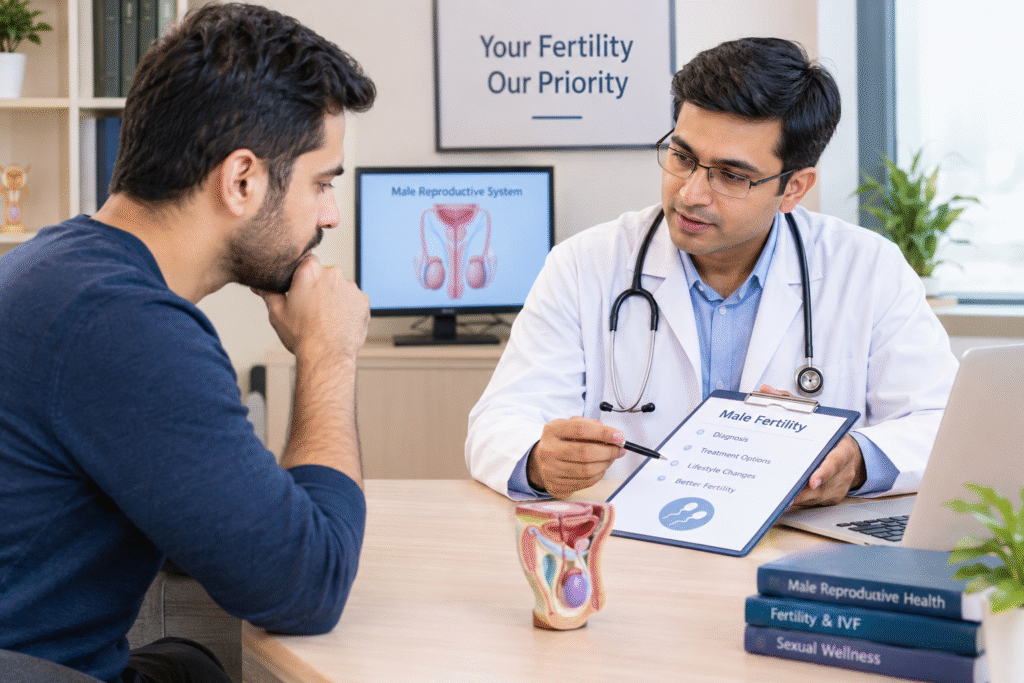
Male infertility can be difficult for couples trying to conceive, but it does not always mean that pregnancy is impossible. Several factors can affect male fertility, including sperm production, hormone levels, reproductive health, lifestyle, and certain medical conditions. Understanding the cause is an important first step toward choosing suitable treatment.
A sexologist in Rohtak can evaluate the possible reasons behind fertility problems and guide men toward appropriate medical care. Treatment depends on the underlying cause and may involve medicines, lifestyle changes, procedures, or assisted reproductive techniques.
What Causes Male Infertility?
Male infertility can result from several factors that affect sperm production, sperm quality, hormone balance, or the reproductive system. In some men, there may be one clear cause, while others can have multiple factors contributing to difficulty conceiving. Identifying the underlying reason is important because treatment is usually selected according to the specific problem.
Low Sperm Production
The testicles need to produce a sufficient number of healthy sperm for conception. Conditions affecting the testicles, hormonal signals, or general health can reduce sperm production. A sexologist in Rohtak may recommend a semen analysis to assess sperm concentration and other important characteristics.
Poor Sperm Movement or Shape
Even when sperm are present in adequate numbers, their ability to move effectively or their structure may affect fertility. Reduced motility or a high proportion of unusually shaped sperm can make it harder for sperm to reach and fertilise an egg. These factors are commonly assessed during semen testing.
Hormonal Problems
Hormones such as testosterone, follicle-stimulating hormone (FSH), and luteinising hormone (LH) are involved in male reproductive function. An imbalance can interfere with sperm production or sexual health. A sexologist in Rohtak may suggest blood tests when symptoms or initial findings indicate a possible hormonal concern.
Varicocele and Testicular Conditions
A varicocele involves enlarged veins around the testicle and may affect sperm production in some men. Other conditions involving the testicles, including previous injury or certain infections, can also influence reproductive function. Proper examination helps determine whether a specific testicular problem requires attention.
Blockages in the Reproductive Tract
Sperm must travel through several structures before being released during ejaculation. Previous infections, surgery, injury, or certain developmental conditions can sometimes cause a blockage that prevents sperm from reaching the semen. A sexologist in Rohtak can recommend further investigations when a blockage is suspected.
Lifestyle and Environmental Factors
Smoking, excessive alcohol consumption, obesity, poor sleep, prolonged heat exposure, and limited physical activity may negatively influence reproductive health. Certain workplace or environmental exposures can also be relevant. Improving modifiable habits may support fertility, although lifestyle changes should not replace medical assessment when problems persist.
Medicines and Medical Treatments
Some medicines and treatments can affect sperm production or reproductive function. Certain therapies, including some treatments used for serious illnesses, may have an impact on fertility. Men should discuss current medicines and previous treatments with a healthcare professional rather than stopping prescribed medication on their own.
Genetic and Other Medical Factors
In some cases, genetic conditions can interfere with sperm production or the development of the reproductive system. Chronic illnesses and other medical conditions may also contribute to fertility difficulties. A sexologist in Rohtak can determine whether additional testing is appropriate based on the man’s medical history and initial results.
Because male infertility has many possible causes, guessing the reason from symptoms alone is not reliable. A proper evaluation can help identify the relevant factors and guide the next steps toward suitable management.
Can Male Infertility Be Treated?
Yes, male infertility can often be treated or managed, depending on what is causing the fertility problem. Some men may respond well to medical treatment, while others may benefit from a procedure, lifestyle changes, or assisted reproductive techniques. The treatment plan is not the same for everyone because male fertility can be affected by different physical, hormonal, genetic, and lifestyle factors.
A sexologist in Rohtak can help identify the possible cause through a medical history, physical assessment, semen analysis, and other tests when required. Once the underlying issue is understood, the doctor can discuss suitable treatment options based on the man’s condition and the couple’s pregnancy goals.
Treatment Depends on the Cause
If infertility is related to a hormonal problem, appropriate medical management may help restore reproductive function in selected cases. Infections or certain medical conditions may also require specific treatment. When a physical problem such as varicocele is contributing to fertility difficulties, a suitable procedure may sometimes be considered.
Medicines May Help in Selected Cases
Medicines can be useful when a specific medical condition is affecting sperm production or reproductive function. However, fertility medicines should not be taken without proper evaluation. A sexologist in Rohtak can determine whether medication is appropriate and monitor the response when treatment is started.
Lifestyle Changes Can Support Treatment
Daily habits can also influence reproductive health. Maintaining a healthy weight, eating a balanced diet, exercising regularly, sleeping well, avoiding tobacco, and limiting excessive alcohol may support better fertility. These changes can complement medical care but may not be enough when an underlying medical condition is present.
Assisted Reproductive Treatment
When conventional treatment does not result in pregnancy, assisted reproductive techniques may provide additional options. Depending on sperm quality and the couple’s circumstances, procedures such as IUI, IVF, or ICSI may be discussed. A sexologist in Rohtak can help couples understand when referral to a fertility specialist may be appropriate.
Treatment Does Not Guarantee Pregnancy
Although treatment can improve fertility in some men, pregnancy cannot be guaranteed in every case. Success depends on the underlying cause, sperm characteristics, duration of infertility, and factors affecting the female partner as well. A sexologist in Rohtak can help set realistic expectations after reviewing the available medical information.
The important step is to avoid self-treatment and find out why fertility is being affected. With proper evaluation, many couples can understand their available options and make informed decisions about the next stage of their fertility journey.
Available Male Infertility Treatment Options
1. Medicines and Hormonal Treatment
When fertility problems are related to specific hormonal or medical conditions, a doctor may prescribe suitable medicines. Treatment should be based on test results and individual needs rather than self-medication.
2. Lifestyle Improvements
Healthy daily habits can support overall reproductive health. Maintaining a healthy weight, exercising regularly, avoiding tobacco, limiting alcohol, eating a balanced diet, and getting adequate sleep may be beneficial.
A sexologist in Rohtak can also discuss lifestyle factors that may be relevant to an individual’s fertility concerns.
3. Treatment for Varicocele and Other Conditions
A varicocele is an enlargement of veins around the testicle and may be associated with impaired sperm production in some men. When a significant problem is present, treatment may be considered after proper evaluation.
Other physical or reproductive conditions may also require specific management depending on their cause.
4. Assisted Reproductive Techniques
If natural conception remains difficult, assisted reproductive options may be discussed. Depending on the couple’s circumstances, treatments such as intrauterine insemination (IUI) or in vitro fertilisation (IVF), sometimes with intracytoplasmic sperm injection (ICSI), may be considered.
A sexologist in Rohtak can help explain when specialist fertility treatment may be appropriate.
How Is Male Infertility Diagnosed?
Male infertility is diagnosed through a combination of medical history, physical examination, and fertility tests. Since fertility problems can have different causes, doctors generally do not rely on a single symptom or test result. The evaluation helps determine whether the concern is related to sperm production, sperm quality, hormones, sexual function, or another reproductive condition.
A sexologist in Rohtak may first ask about the duration of attempts to conceive, previous pregnancies, sexual health, medical conditions, surgeries, medications, and lifestyle habits. This information can provide useful clues about factors that may be affecting fertility.
Semen Analysis
A semen analysis is one of the main investigations used during male fertility evaluation. The test examines the semen sample for sperm count, motility, and morphology. These findings help doctors understand whether there are noticeable abnormalities in sperm quality.
Because sperm levels can vary, a sexologist in Rohtak may recommend more than one semen analysis before reaching a conclusion.
Hormone Testing
Blood tests may be advised when hormonal problems are suspected. Tests can include reproductive hormones such as testosterone, FSH, and LH. Hormonal results can provide information about how the body is regulating sperm production and reproductive function.
Physical Examination
A physical examination may help identify conditions involving the testicles or reproductive system. The doctor may look for signs such as testicular abnormalities, enlarged veins around the testicles, or other physical findings that could be relevant to fertility.
Additional Investigations
Further testing is not necessary for every man. Depending on the initial findings, a doctor may recommend scrotal ultrasound, genetic testing, specialised sperm tests, or other investigations. A sexologist in Rohtak can determine which tests are appropriate based on the individual’s symptoms and medical history.
Understanding the Results
Male infertility diagnosis is based on the overall clinical picture rather than one isolated result. Test findings are considered alongside medical history and physical examination to identify possible causes. A sexologist in Rohtak can explain what the results mean and discuss whether treatment, monitoring, or additional evaluation may be appropriate.
Getting an accurate diagnosis is an important step because the right treatment depends largely on the reason fertility is being affected. Professional evaluation can help couples understand the situation clearly and choose their next steps with better information.
Can Lifestyle Changes Improve Male Fertility?
Yes, certain lifestyle changes may support male reproductive health and can be helpful when unhealthy habits are contributing to fertility difficulties. Sperm production is influenced by overall health, nutrition, sleep, physical activity, and exposure to harmful substances. However, lifestyle improvements cannot correct every cause of infertility, so persistent concerns should be medically evaluated.
A sexologist in Rohtak can help identify habits that may be affecting fertility and suggest practical changes according to an individual’s health and reproductive goals.
Maintain a Healthy Weight
Being significantly overweight may be associated with changes in hormone levels and sperm health. Gradual weight management through nutritious food and regular activity can support general health. A sexologist in Rohtak may also discuss weight-related factors during a fertility assessment.
Follow a Balanced Diet
A varied diet containing vegetables, fruits, whole grains, pulses, nuts, seeds, and adequate sources of protein provides important nutrients for overall health. Instead of relying on unproven fertility supplements, men should focus on consistent healthy eating and discuss supplements with a healthcare professional when necessary.
Exercise Regularly
Moderate physical activity can help maintain a healthy weight, improve cardiovascular fitness, and support overall well-being. Activities such as walking, cycling, swimming, or strength training can be included according to individual fitness levels. Excessive or extreme training, however, may not be beneficial for everyone.
Avoid Tobacco and Limit Alcohol
Smoking and tobacco exposure can negatively affect reproductive health. Excessive alcohol consumption may also interfere with hormonal balance and sperm quality. Reducing these exposures can be an important part of a healthier fertility-focused lifestyle.
Get Enough Quality Sleep
Poor sleep and irregular sleep patterns can affect general health and may be associated with reproductive problems. Maintaining a consistent sleep schedule and allowing enough time for rest can support physical and hormonal well-being. A sexologist in Rohtak may consider sleep habits when discussing lifestyle-related fertility factors.
Manage Excessive Heat Exposure
The testicles function best at a temperature slightly below core body temperature. Frequent exposure to excessive heat may affect sperm production in some men. Avoiding unnecessary prolonged heat exposure may therefore be a reasonable precaution.
Reduce Stress and Improve Daily Well-Being
Long-term stress can affect sleep, mood, sexual function, and daily habits. Relaxation techniques, regular exercise, adequate rest, and supportive relationships may help improve overall well-being. A sexologist in Rohtak can also discuss sexual or emotional concerns that may be affecting the couple’s fertility journey.
Lifestyle changes are most useful when they are consistent and realistic. They may support better reproductive health, but they should not replace proper diagnosis when pregnancy is not occurring. Combining healthy habits with appropriate medical guidance can provide a more complete approach to male fertility care.
When Should You Consult a Specialist?
Knowing when to seek professional advice can help couples avoid unnecessary delays when pregnancy is not occurring. Male fertility concerns may not always cause noticeable symptoms, so waiting for signs of a problem is not always the best approach. A sexologist in Rohtak can assess the situation and determine whether fertility testing or further evaluation is needed.
After 12 Months of Trying
If a couple has been having regular unprotected intercourse for 12 months without achieving pregnancy, it is generally appropriate to consider a fertility evaluation. Both partners may need assessment because difficulties with conception can involve male, female, or combined factors.
Seek Help Earlier in Some Situations
Waiting a year may not be necessary when there is already a known reason to be concerned about male fertility. Previous testicular surgery, reproductive infections, significant injuries, hormonal problems, or a history of fertility-related abnormalities may justify earlier consultation with a sexologist in Rohtak.
When Sexual Problems Affect Conception
Difficulty with erections, ejaculation problems, very low sexual desire, or pain during intercourse can interfere with attempts to conceive. These concerns deserve professional attention rather than being ignored or self-treated. A sexologist in Rohtak can evaluate whether a sexual health issue may be contributing to the difficulty.
When a Semen Test Is Abnormal
An abnormal semen analysis does not automatically mean that natural conception is impossible. Sperm results can vary, and additional assessment may sometimes be required to understand the finding. Consulting a sexologist in Rohtak can help determine whether repeat testing or other investigations are appropriate.
When Previous Treatment Has Not Helped
If a man has already tried treatment or lifestyle changes but fertility concerns continue, a specialist can reassess the situation. Reviewing previous reports, medicines, procedures, and treatment responses may help identify what should be considered next.
When You Have Concerns About Fertility
A specialist consultation can also be useful when there is uncertainty about reproductive health, even before a couple has completed a full year of trying. Early guidance can clarify whether testing is necessary and prevent reliance on unverified fertility remedies.
Seeking help does not mean that a couple will definitely require complex treatment. It provides an opportunity to understand the possible issue, review available options, and make decisions based on proper medical evaluation.
Final Thoughts
Male infertility can have many different causes, and the treatment depends on what is affecting fertility. Some problems can be medically managed, while others may require procedures or assisted reproductive techniques. Healthy lifestyle choices can also play a supportive role.
Getting the right evaluation instead of relying on unproven remedies can help couples understand their options. A sexologist in Rohtak can provide appropriate guidance based on the individual’s condition and fertility goals.
Frequently Asked Questions
1. Can male infertility be treated?
Yes, many causes of male infertility can be treated or managed depending on the underlying problem. A sexologist in Rohtak can recommend suitable treatment after evaluating the individual’s fertility health.
2. What are the common causes of male infertility?
Common causes include low sperm count, poor sperm movement, hormonal problems, varicocele, infections, certain medical conditions, and lifestyle factors. A sexologist in Rohtak can help identify the specific cause through appropriate evaluation.
3. Can lifestyle changes improve male fertility?
Healthy eating, regular exercise, maintaining a suitable weight, avoiding tobacco, limiting alcohol, and getting adequate sleep may support reproductive health. A sexologist in Rohtak can provide personalised lifestyle guidance when needed.
4. Which tests are used to diagnose male infertility?
Semen analysis is commonly used to assess sperm count, movement, and morphology. Depending on the findings, hormone tests, ultrasound, genetic testing, or other investigations may be recommended by a sexologist in Rohtak.
5. Can low sperm count be improved with treatment?
The possibility of improvement depends on why the sperm count is low. Treating an underlying condition may help in some cases. A sexologist in Rohtak can assess the cause and discuss appropriate treatment options.
6. When should a couple consult a fertility specialist?
Couples generally consider an evaluation after 12 months of regular unprotected intercourse without pregnancy. Earlier consultation may be appropriate when there are known reproductive or sexual health concerns, and a sexologist in Rohtak can guide the initial evaluation.
7. Does male infertility always prevent pregnancy?
No. Male infertility does not always mean that pregnancy is impossible. The chances depend on the type and severity of the fertility problem and other factors affecting the couple. A sexologist in Rohtak can help explain the available options.
8. Can assisted reproductive techniques help with male infertility?
Depending on the situation, options such as IUI, IVF, or ICSI may be considered when natural conception remains difficult. A sexologist in Rohtak can help determine when further fertility treatment may be appropriate.
🏥 Dr. Prince Juneja – Sexologist in Rohtak
📞 Call for Appointment:
+91-9812090910
💬 WhatsApp:
+91-9812090910
🕒 Consultation Hours:
Monday – Saturday: 10:00 AM – 5:00 PM
🌐 Website:
https://junejaclinic.com/